






Good lighting can make a home feel welcoming, calm, and easy to use. It affects how a room looks, how well you can complete everyday tasks, and how comfortable you feel at different times of day. The best lighting plan is not always the brightest one. Instead, it combines several types of light and allows you to adjust them as needed.
Whether you are furnishing a new space or improving an existing room, a few thoughtful choices can make a noticeable difference. Use the tips below to create comfortable home lighting that suits your routines and personal style.
Understand the Three Main Types of Lighting
A comfortable room usually includes more than one light source. Combining different types of lighting creates balance and gives you more control.
Ambient lighting
Ambient lighting provides general illumination throughout a room. It may come from ceiling fixtures, recessed lights, chandeliers, or wall-mounted fixtures. This is the foundation of a lighting plan because it helps people move around safely and see the overall space.
Ambient lighting should be bright enough for everyday activities without feeling harsh. A single overhead fixture may not spread light evenly, especially in a large room. Adding lamps or wall lights can help reduce dark areas.
Task lighting
Task lighting is designed for specific activities. Examples include a desk lamp for reading, under-cabinet lights for food preparation, or a floor lamp beside a chair.
This type of lighting should be placed close to the work area and aimed where it is needed. Good task lighting helps you see details clearly without forcing you to rely on overly bright general lighting.
Accent lighting
Accent lighting highlights decorative or architectural features. It can draw attention to artwork, shelving, plants, textured walls, or other favorite details.
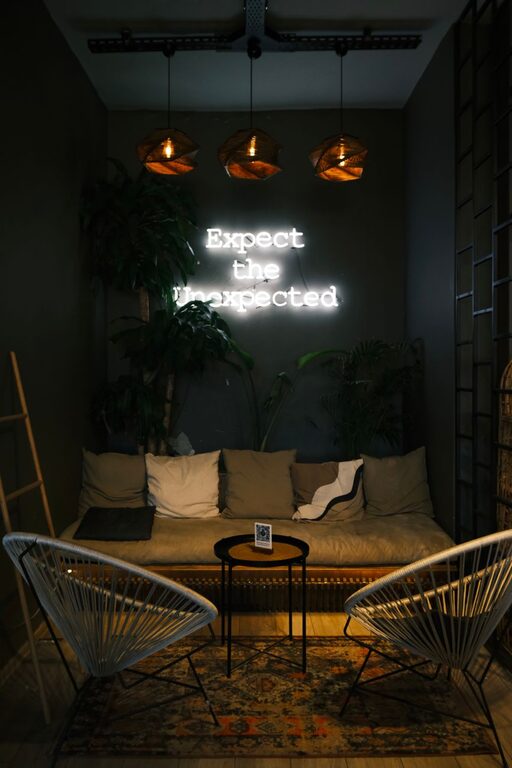
Accent lights are not usually the main source of illumination. Instead, they add depth and visual interest. Even a small lamp directed toward a wall or display can make a room feel more layered and inviting.
Choose a Comfortable Color Temperature
Light color has a strong effect on the mood of a room. Bulbs are often described by color temperature, measured in Kelvin.
– Warm light, usually around 2700K to 3000K, creates a soft and cozy atmosphere.
– Neutral light, often around 3500K to 4000K, appears cleaner and more balanced.
– Cool light, commonly 5000K and above, has a crisp, bright appearance.
Warm light is often a comfortable choice for bedrooms, living rooms, dining areas, and other spaces where you want a relaxed feeling. Neutral light can work well in kitchens, bathrooms, laundry rooms, and home offices where clear visibility is important.
These are general guidelines rather than strict rules. The colors of your walls, flooring, furniture, and window treatments can change how a bulb looks. If possible, test bulbs in the room before buying several of the same type.
Select the Right Brightness
Brightness is commonly measured in lumens. Higher lumens produce more light, while lower lumens create a softer effect. The right amount depends on the room’s size, purpose, ceiling height, and amount of natural light.
A large kitchen may need several bright sources, while a small bedroom may feel more comfortable with moderate lighting and bedside lamps. Instead of choosing one very powerful bulb, consider using multiple fixtures with lower or medium brightness. This approach spreads light more evenly and makes it easier to adjust the atmosphere.
When comparing bulbs, look beyond wattage. Wattage measures energy use, while lumens indicate brightness. Check the product label to understand how much light a bulb provides.
Use Dimmers and Adjustable Controls
Dimmers are one of the simplest ways to improve lighting comfort. They allow you to use bright light for cleaning, cooking, or detailed tasks and softer light for relaxing or entertaining.
If you are installing new fixtures, check that the bulbs and dimmer switches are compatible. Some LED bulbs require specific dimmers and may flicker if paired with the wrong control.
You can also use lamps with built-in brightness settings, smart bulbs, timers, or remote controls. These features are especially useful in rooms that serve several purposes. For example, a living room may need bright light for games or hobbies and gentle light for watching a movie.
Reduce Glare and Harsh Shadows
Glare occurs when a light source is too bright or shines directly into your eyes. It can make a room feel uncomfortable and may make screens or glossy surfaces difficult to view.
To reduce glare:
– Use lampshades or frosted bulbs to soften direct light.
– Avoid placing bright fixtures where they shine toward seating areas.
– Position desk lamps to the side rather than directly behind or in front of a screen.
– Choose fixtures that direct light downward or toward a wall.
– Use curtains or blinds to control strong sunlight during the day.
Harsh shadows can also make a room feel unevenly lit. Combining ceiling lights with floor, table, or wall lamps can fill in dark areas without making every light source extremely bright.
Match Lighting to Each Room
Every room has different lighting needs. A customized plan is more comfortable than using the same fixture and bulb type throughout the home.
Living room
Use a mix of ambient, task, and accent lighting. A ceiling fixture can provide general light, while floor lamps and table lamps create comfortable zones for reading or conversation. Dimmers are helpful because living rooms often support several activities.
Kitchen
Prioritize clear task lighting over countertops, sinks, and cooking areas. Under-cabinet lights can reduce shadows and make food preparation easier. Combine these with ceiling or pendant fixtures for general illumination.
Bedroom
Choose warm, softer light to create a relaxing atmosphere. Bedside lamps provide useful reading light without requiring a bright ceiling fixture. Consider separate controls on each side of the bed for convenience.
Bathroom
Use even lighting around the mirror to reduce shadows on the face. Wall-mounted fixtures on both sides of a mirror can provide more balanced illumination than a single light above it. Use fixtures rated for the bathroom’s moisture conditions.
Home office
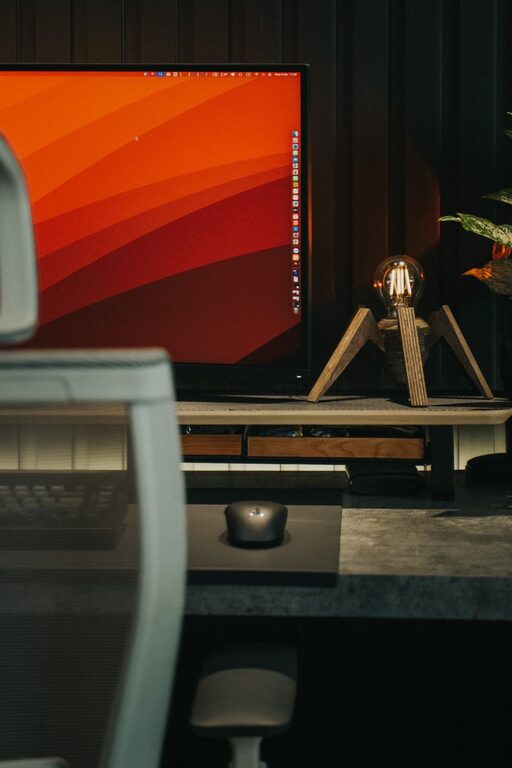
A desk lamp can provide focused light for paperwork, reading, or hobbies. Position it so your hand or monitor does not create distracting shadows. Combine task lighting with moderate ambient light to avoid a sharp contrast between the desk and the rest of the room.
Consider Fixture Placement and Scale
A well-chosen fixture can still feel uncomfortable if it is installed in the wrong location. Before mounting or purchasing a light, consider how people use the space and where furniture will be placed.
Pendant lights should be high enough to avoid blocking views or becoming a hazard. Table lamps should be sized to suit the table and seating nearby. A very small fixture may look lost in a large room, while an oversized fixture can dominate a compact space.
Whenever possible, layer lights at different heights. Ceiling fixtures, wall lights, floor lamps, and table lamps create a more natural distribution of brightness.
Test Before Making a Final Choice
Lighting can look different in a store, online photo, or product package than it does in your home. Try one bulb or fixture first and observe it at different times of day.
Check how it looks with your wall colors, furniture, and flooring. Notice whether it creates glare, shadows, or an overly bright spot. If you are choosing several fixtures, compare them in the room before installing everything.
Comfortable lighting is usually the result of flexibility rather than one perfect fixture. By combining light layers, selecting suitable bulb colors, controlling brightness, and placing fixtures thoughtfully, you can create rooms that feel pleasant and work well throughout the day.