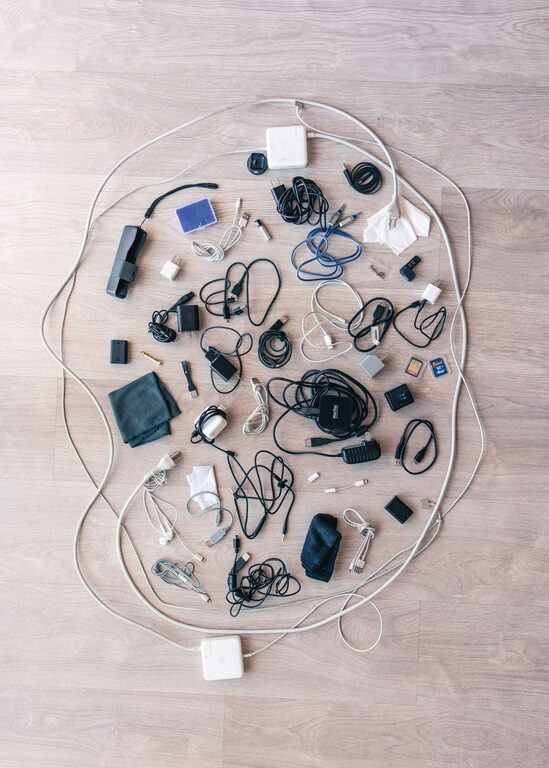








Digital clutter can be just as distracting as a messy desk. A crowded inbox, an overflowing photo library, unused apps, and scattered files can make it harder to find what you need and focus on what matters.
The good news is that digital decluttering does not require a complete technology makeover. With a few organized steps and simple habits, you can create a cleaner digital environment that is easier to manage over time.
Start With a Digital Inventory
Before deleting anything, take a quick look at where your digital clutter is located. Most people use several devices and services, including phones, computers, tablets, cloud storage, email accounts, and social media platforms.
Create a list of the areas you want to review, such as:
– Computer desktop
– Downloads folder
– Email inbox
– Cloud storage
– Smartphone apps
– Photos and videos
– Browser bookmarks
– Text messages
– Online accounts
– Subscriptions and notifications
You do not need to organize everything in one day. Choose one area to start with and work in short sessions. A focused 20 or 30 minutes is often more productive than trying to manage your entire digital life at once.
Clean Up Your Devices
Your devices are often the most visible source of digital clutter. A clean home screen and organized desktop can make daily tasks feel simpler.
Organize Your Desktop
A desktop should be a temporary workspace, not a permanent storage area. Delete files you no longer need and move important items into clearly named folders.
You might create folders such as:
– Current projects
– Personal documents
– Work files
– Photos
– Receipts
– To review
Avoid creating too many folders. A simple structure is easier to remember and maintain. If you are unsure about a file, place it in a folder called “Review” and set a date to check it later.
Review Your Downloads Folder
The Downloads folder often collects duplicate files, old attachments, installation files, and documents that are no longer useful. Sort the folder by date or file type, then remove anything you do not need.
For files you want to keep, rename them clearly. A useful file name can include the subject and date, such as “Travel Plan May 2026” instead of “document final version 2.”
Remove Unused Apps
Review the apps on your phone, tablet, and computer. If you have not used an app in several months, ask whether it still serves a purpose.
Remove apps that are:
– No longer useful
– Replaced by another app
– Taking up unnecessary space
– Sending unwanted notifications
– Connected to services you no longer use
You can always reinstall an app later if you need it again.
Tame Your Email Inbox
Email can quickly become a source of stress when every message appears equally important. The goal is not necessarily to reach an empty inbox. Instead, create a system that helps you find and handle messages easily.
Delete and Archive in Batches
Start by searching for obvious sources of clutter. Look for old promotions, automatic updates, large attachments, or messages from services you no longer use.
Delete messages that have no future value. Archive messages you may need later but do not need in your active inbox. Keep important information in labeled folders or categories.
Useful email folders might include:
– Action needed
– Receipts
– Travel
– Personal
– Work
– Reference
Unsubscribe From Unwanted Messages
When you repeatedly delete messages from the same sender, unsubscribe if you no longer want them. Reducing incoming email is more effective than constantly cleaning up the inbox.
Be selective about what you subscribe to in the future. Before entering your email address, consider whether the information will be useful enough to justify another regular message.
Create Simple Rules
Many email services allow you to create filters or rules. These can automatically sort messages, mark certain emails as read, or move newsletters into a separate folder.
Keep your rules simple. Too many complicated settings can become difficult to manage.
Organize Photos and Videos
Photos are often among the most valuable files people keep, but they can also take up significant storage space. Begin by removing obvious duplicates, blurry images, accidental screenshots, and videos you no longer want.
Next, organize important photos into albums or folders. You can sort them by:
– Year
– Event
– Trip
– Family
– Project
– Location
Use descriptive names where possible. If your photo service offers search tools, add labels or favorites to make important memories easier to find.
Before deleting large groups of photos, confirm that you have a backup of the files you want to keep. Store important photos in at least one additional location, such as an external drive or a trusted cloud service.
Simplify Cloud Storage
Cloud storage can become cluttered when files are saved automatically from multiple devices. Review your folders and look for duplicates, outdated files, and items that no longer have a purpose.
Create a small number of main folders and use consistent names. For example, you might separate files into Personal, Work, Shared, and Archive.
When reviewing cloud files, ask:
- Do I still need this?
- Is there another copy?
- Is this stored in the right place?
- Would a clearer name make it easier to find?
- Does anyone else need access?
Remove old shared files and review access permissions when available. This can help keep your storage organized and reduce unnecessary sharing.
Review Online Accounts
Over time, it is easy to create accounts for services you use only once. Make a list of websites and platforms you regularly access, then identify accounts you no longer need.
Close unused accounts when possible, especially if they send unwanted messages or store personal information. For accounts you keep, check that your contact details and notification settings are current.
Use a unique, strong password for each important account. A password manager can help you store login information securely and make it easier to manage multiple accounts.
Reduce Notifications
Notifications compete for your attention throughout the day. Review notification settings on your phone, computer, and individual apps.
Turn off alerts that are not necessary, such as:
– Promotional messages
– Game updates
– Frequent social updates
– Automatic recommendations
– Nonessential reminders
Keep notifications for messages, appointments, and other information you genuinely need. You can also use scheduled summaries or quiet periods to reduce interruptions during work, rest, or personal time.
Build Habits That Prevent Clutter
A one-time cleanup is useful, but small habits help keep digital clutter from returning.
Try these practices:
– Delete temporary files after finishing a project.
– Process downloads once a week.
– Unsubscribe from unwanted email immediately.
– Organize new photos at regular intervals.
– Review unused apps every few months.
– Use clear file names from the beginning.
– Avoid saving multiple copies of the same file.
– Set a monthly reminder for digital maintenance.
You can also follow a simple “one in, one out” rule. When you add a new app, subscription, or storage folder, consider whether something old can be removed.
Make Digital Decluttering Manageable
Digital organization should support your life, not become another source of pressure. Focus on the areas that create the most frustration and ignore perfection.
Start with one device, one folder, or one inbox category. Set a timer, make a few decisions, and stop when the session ends. Consistent progress is more valuable than a single exhausting cleanup.
A decluttered digital life gives you faster access to important information, fewer distractions, and more control over your devices. With a simple system and regular maintenance, keeping your digital world organized can become an easy part of your routine.