






A clutter-free kitchen counter can make the entire room feel calmer, cleaner, and easier to use. When your counters are covered with appliances, mail, dishes, and cooking supplies, even simple tasks can feel frustrating. The good news is that you do not need a complete kitchen renovation to create more space.
With a few thoughtful decisions and simple daily habits, you can keep your counters clear and make the items you use most easier to reach.
Start With a Complete Counter Reset
Before organizing anything, remove everything from your kitchen counters. Place the items on a table, island, or clean section of the floor. This gives you a clear view of what has been taking up space.
Clean the counters while they are empty. Wipe away crumbs, dust, spills, and grease so you are starting with a fresh surface.
Next, sort every item into four groups:
– Use every day
– Use occasionally
– Belongs somewhere else
– No longer needed
Be honest during this step. An appliance that has not been used in months may not deserve a permanent spot on the counter. Likewise, items that belong in a drawer, cabinet, pantry, or another room should be returned to their proper locations.
Decide What Deserves Counter Space
Not everything you use in the kitchen needs to stay visible. A simple rule is to keep only the items that are used daily or make everyday tasks significantly easier.
Good candidates for counter space may include:
– A coffee maker used each morning
– A toaster used regularly
– A knife block
– A fruit bowl
– A cutting board used often
– A container for cooking utensils
Items used once a week or less can usually be stored in a cabinet, pantry, or appliance drawer. If an appliance is large, heavy, or difficult to move, consider how often you use it before giving it a permanent place.
Try this test: If you needed the counter for meal preparation, would the item still need to stay there? If the answer is no, store it elsewhere.
Create Zones for Common Tasks
Organizing your counter by activity can make the kitchen easier to use. Instead of spreading items across the room, group related tools into simple zones.
Coffee or Beverage Zone
Place your coffee maker, mugs, coffee, tea, and sweeteners in one area. Use a small tray to keep everything together and prevent loose packets or spills from spreading across the counter.
Food Preparation Zone
Keep your most-used cutting board, knives, mixing bowls, and cooking utensils near the area where you prepare food. A wall-mounted knife strip or drawer organizer can save valuable counter space.
Cooking Zone
Store cooking utensils, oils, spices, and potholders near the stove. A narrow tray or turntable can keep bottles grouped together without creating a crowded appearance.
Cleaning Zone
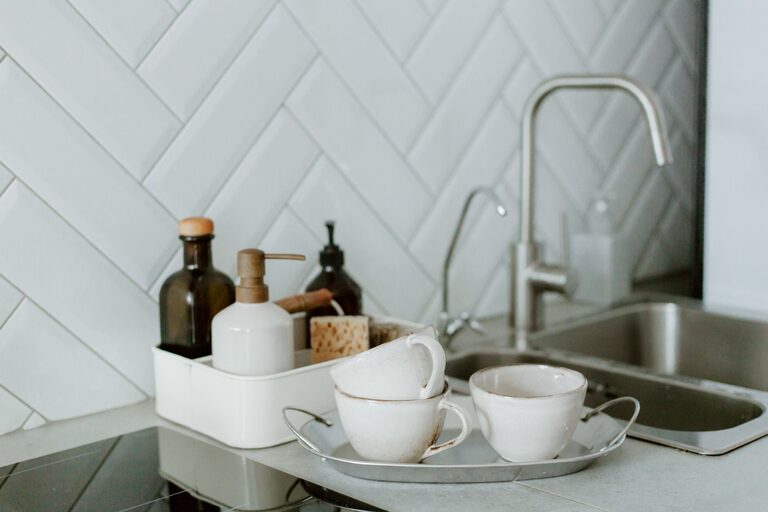
Keep dish soap, sponges, brushes, and towels together near the sink. A small holder or caddy can keep these supplies upright and reduce visual clutter.
Zones help you return items to the same place after use. This makes cleanup faster and prevents objects from slowly spreading across the kitchen.
Make Better Use of Cabinets and Drawers
A cluttered counter often points to an inefficient storage system. Look inside your cabinets and drawers to see whether the available space is being used well.
Shelf risers can create extra levels for plates, bowls, and cans. Pullout bins make it easier to reach items in deep cabinets. Drawer dividers can separate utensils, measuring tools, and kitchen gadgets.
Consider storing appliances according to how often you use them:
– Daily appliances can stay within easy reach
– Weekly appliances can go on a lower shelf
– Seasonal or occasional appliances can be stored higher up or in a nearby closet
Avoid packing cabinets so tightly that putting something away becomes difficult. If storage is inconvenient, items will naturally return to the counter.
Use Vertical Space
When counter space is limited, look upward. Walls, cabinet doors, and the sides of cabinets can hold many useful items.
You might add:
– A rail for cooking utensils
– Hooks for mugs or towels
– A magnetic strip for small metal tools
– A wall shelf for spices
– A pegboard for frequently used equipment
– An over-the-door organizer for cleaning supplies
Use vertical storage selectively. The goal is to create useful space, not to cover every wall with items. Keep frequently used tools within reach and store less attractive or rarely used supplies out of sight.
Control Paper and Everyday Drop Zones
Mail, receipts, school papers, keys, and reusable bags can quickly take over a kitchen counter. Create a dedicated drop zone to prevent these items from spreading.
A small wall organizer, basket, or tray can hold incoming mail and papers. Set a regular time to sort them and recycle anything you no longer need. Keys and sunglasses can go in a bowl near the entrance rather than on the kitchen counter.
Reusable shopping bags should have one assigned storage location, such as a basket, pantry shelf, or cabinet hook. When every item has a home, the counter is less likely to become a temporary storage area.
Keep Appliances From Taking Over
Large appliances are some of the biggest sources of counter clutter. If you use an appliance often, decide whether its convenience is worth the space it occupies.
For appliances that stay out, use a few simple guidelines:
– Keep them grouped in one area when possible
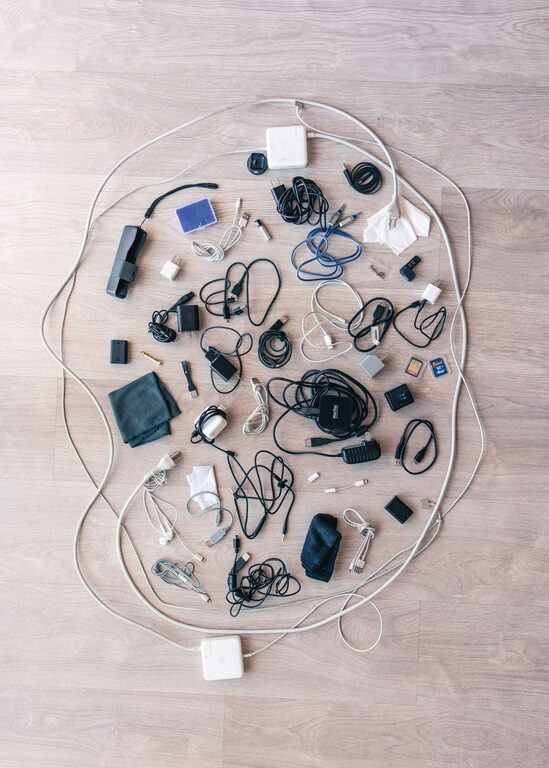
– Hide cords with a cord wrap or cable organizer
– Leave enough room to use them safely
– Avoid placing them beside the sink if water could splash them
– Store related accessories nearby but out of sight
You can also use an appliance garage or a cabinet with an accessible outlet. This allows items such as a blender, mixer, or toaster to remain easy to reach without being visible all the time.
Choose Countertop Containers Carefully
Containers can make a counter look organized, but too many containers can create more clutter. Use them only for items that are used often or need to remain accessible.
A few helpful options include:
– A tray for oils and seasonings
– A jar for wooden spoons
– A bowl for fresh fruit
– A small bin for tea or coffee supplies
– A lidded container for bread
Choose containers that are easy to clean and match the size of the items they hold. Avoid using oversized baskets for small supplies, since they can encourage unnecessary accumulation.
Build a Five-Minute Reset Routine
The most effective organization system is one you can maintain. At the end of each day, spend five minutes resetting the kitchen.
Return items to their assigned locations, load or wash dishes, wipe the counters, and remove anything that belongs in another room. If you cook a large meal, clean as you go whenever possible. Put ingredients away after using them and wash tools while food is cooking.
A short daily reset prevents small messes from becoming overwhelming. It also gives you a clean starting point the next morning.
Review Your System Regularly
Your kitchen storage needs may change over time. Review your counters and cabinets every few months. Ask whether each visible item is still useful and whether anything can be stored more efficiently.
If clutter keeps returning to the same area, do not simply clear it again. Look for the reason. You may need a basket for produce, a hook for towels, a better drawer divider, or a more convenient home for a frequently used appliance.
A clutter-free counter is not about keeping the kitchen completely empty. It is about making room for the tasks you do most, reducing visual distractions, and creating a system that is easy to maintain. Start with one counter, give every item a home, and build simple habits that keep the space working for you.