




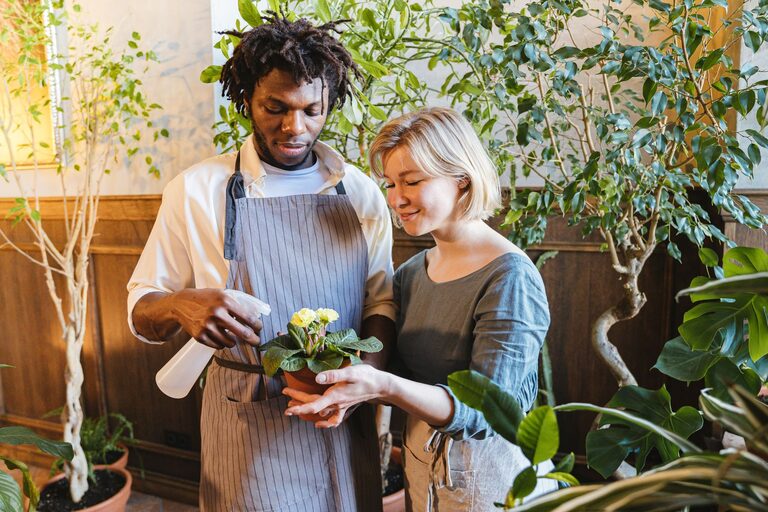
Healthy houseplants can brighten a room, improve its atmosphere, and bring a touch of nature indoors. While every plant has its own preferences, most houseplants thrive when you provide the right balance of light, water, air, and care.
You do not need a complicated routine to keep plants healthy. A few simple habits, along with regular observation, can help prevent common problems and encourage steady growth.
Choose the Right Location
The best place for a houseplant depends largely on its light needs. Before placing a plant, observe how much natural light the area receives during the day.
Understand light levels
– Bright, direct light: Sunlight reaches the plant for several hours, often near a south or west facing window.
– Bright, indirect light: The area is well lit, but the sun’s rays do not fall directly on the leaves.
– Low light: The space receives limited natural light, such as a hallway or room with a small north facing window.
Check the plant’s care label or research its basic needs before choosing a location. A plant that needs bright light may grow slowly in a dark corner, while a shade loving plant may develop scorched leaves in intense afternoon sun.
Rotate pots every week or two so that all sides of the plant receive similar exposure. This can help promote more even growth and prevent the plant from leaning toward a window.
Water Carefully
Overwatering is one of the most common problems for houseplants. Many plants suffer because their roots remain in wet soil for too long, which can lead to root damage.
Instead of watering on a fixed schedule, check the soil first. Insert your finger about an inch into the soil. If it feels dry at that depth, the plant may need water. If it still feels damp, wait a little longer.
When watering, apply enough water for it to flow from the drainage holes at the bottom of the pot. This helps moisten the entire root area. Empty any water collected in a saucer so the pot does not sit in standing water.
Keep in mind that plants often need less water during cooler months or periods of slow growth. Warm rooms, dry air, and bright light may cause soil to dry more quickly.
Use Pots With Drainage
Good drainage is essential for healthy roots. Choose containers with one or more drainage holes, and use a saucer or tray to protect furniture and floors.
Decorative pots without holes can still be used as outer containers. Place the plant in a smaller pot with drainage, then set that pot inside the decorative one. Remove the inner pot when watering, allow excess water to drain, and return it once the surface is dry.
Avoid adding a thick layer of stones to the bottom of a pot as a substitute for drainage. The most effective approach is to use a suitable container and well draining soil.
Select the Right Soil
Different plants prefer different types of potting mix. Cacti and succulents usually do best in a fast draining mix, while tropical houseplants may prefer a mix that holds some moisture but still allows air to reach the roots.
Use a quality potting mix made for containers rather than garden soil. Garden soil can become compacted in a pot and may contain weed seeds or pests.
If water runs straight through the pot or the soil remains wet for a long time, the mix may not be suitable. Repotting with a better blend can improve drainage and root health.
Keep Leaves Clean
Dust can collect on leaves and block some of the light a plant needs. It can also make it harder to notice early signs of pests or disease.
Wipe broad leaves gently with a soft, damp cloth. Support the leaf with one hand while cleaning with the other to avoid tearing it. For small leafed plants, a gentle rinse in the sink or shower may be easier.
Do not use household cleaning products, oil, or shiny leaf products unless they are specifically designed for plants. These substances can damage the leaf surface.
Remove yellow, brown, or dead leaves with clean scissors. This improves the plant’s appearance and allows it to direct energy toward healthy growth.
Maintain Comfortable Humidity
Many tropical houseplants grow best in moderate to high humidity, especially during winter when indoor heating can dry the air. Signs of dry air may include brown leaf edges, curled leaves, or slow growth, although these symptoms can have other causes as well.
To increase humidity, try one of these methods:
– Group several plants together.
– Use a room humidifier.
– Place a water filled tray near the plants.
– Move plants away from heaters, radiators, and strong drafts.
If using a pebble tray, place the pot above the water on the pebbles rather than directly in the water. This allows moisture to evaporate around the plant without leaving the roots submerged.
Good air circulation is also important. Leave enough space between plants and avoid placing them in a sealed, stuffy corner.
Feed Plants in Moderation
Plants need nutrients to produce new leaves and roots, but too much fertilizer can damage them. Use a balanced houseplant fertilizer according to the instructions on the package.
In general, many houseplants benefit from feeding during their active growing season. Reduce or stop fertilizing when growth naturally slows. Always water a plant before applying fertilizer if the product instructions recommend it, since feeding dry soil may stress the roots.
More fertilizer does not mean faster growth. If you notice a white crust on the soil surface or leaf tips turning brown, pause feeding and review the amount being used.
Inspect for Pests
Regular inspections make pest problems easier to manage. Look closely at the undersides of leaves, new growth, and the area where leaves meet the stems.
Common signs include:
– Fine webbing
– Sticky residue
– Tiny moving insects
– Speckled or faded leaves
– Small bumps on stems or leaves
If you find pests, move the affected plant away from others. Wipe the leaves gently and follow the instructions for a suitable houseplant pest treatment. Repeat inspections over the next several days, since some pests or eggs may remain after the first cleaning.
Quarantine new plants for a short period before placing them beside your existing collection. This simple step can help prevent pests from spreading.
Repot When Necessary
A plant may need a new pot when roots circle tightly around the root ball, water runs through the soil immediately, or growth slows despite proper care. Other signs include roots growing from drainage holes or a plant becoming unstable in its container.
Choose a pot only one or two sizes larger than the current one. A container that is too large can hold excess moisture and make overwatering more likely.
Repot during the plant’s active growing period when possible. Handle the roots gently, use fresh potting mix, and water lightly after repotting unless the plant’s care instructions say otherwise.
Observe and Adjust
The most useful houseplant habit is paying attention. Check the soil, leaves, and overall growth regularly rather than waiting for a serious problem to appear.
Keep a simple note of watering, repotting, and feeding if you care for several plants. This can help you identify patterns and avoid watering too frequently.
Remember that changes should be gradual. If a plant needs more light, move it closer to a brighter location over several days. With consistent care and a little observation, your houseplants can remain healthy, attractive, and ready to grow.