






A living room refresh does not require a full renovation or a large budget. Small changes can make the space feel brighter, more comfortable, and more personal. By rearranging what you already own, adding thoughtful details, and focusing on high-impact updates, you can create a room that feels new without replacing everything.
Start With a Simple Reset
Before buying anything, remove items that no longer belong in the room. Clear coffee tables, shelves, and corners so you can see the space more clearly. This also helps you avoid spending money on decorations you may not need.
Set aside items that are:
– Broken or worn out
– Duplicates of something you already own
– Out of place
– No longer useful or meaningful
Give the room a thorough cleaning, including windows, lampshades, baseboards, and underneath furniture. Clean surfaces and open floor space can make a noticeable difference at no cost.
Rearrange the Furniture
One of the easiest ways to refresh a living room is to change the layout. Try moving the sofa to a different wall, creating a more open walkway, or turning chairs toward one another to encourage conversation.
Keep these tips in mind:
– Leave clear paths between doors and major pieces of furniture.
– Avoid placing every item against the wall if the room allows for a more flexible layout.
– Create a clear focal point, such as a fireplace, window, television, or artwork.
– Use a small table or chair to fill an awkward corner.
– Test more than one arrangement before deciding what works best.
If the room feels crowded, removing one small table or extra chair may improve the overall look. A little empty space can make a room feel calmer and larger.
Shop Your Own Home
Instead of immediately buying new decor, look around other rooms for items that could work in the living room. A lamp from a bedroom, a basket from an entryway, or artwork from a hallway may take on a fresh purpose in a new location.
You can also create a new arrangement using pieces you already have. Group books by color, place a few favorite objects on a tray, or combine different sizes of frames on a shelf.
When moving items between rooms, look for a shared quality, such as:
– Similar colors
– Natural materials
– Matching finishes
– A common design style
– Related shapes or patterns
This approach keeps the room coordinated while giving familiar objects a new role.
Update Soft Furnishings
Textiles are often one of the most affordable ways to add color and texture. Replace or rearrange throw pillows, blankets, curtains, and rugs to create a different mood.
For a budget-friendly update, consider:
– Adding two new pillow covers instead of buying new pillows
– Layering a small rug over a larger neutral rug
– Draping a lightweight blanket over the sofa
– Washing or steam-cleaning existing curtains
– Turning a reversible rug or cushion to show the other side
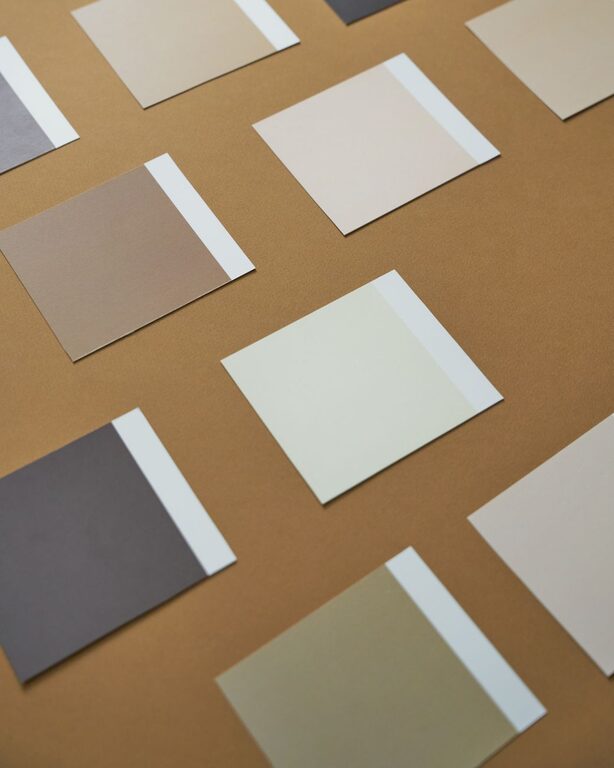
Choose one main color and one or two supporting shades. For example, a neutral room could be refreshed with soft blue and warm wood tones. Limiting the color palette helps inexpensive items look more intentional.
Create an Accent Wall
Paint can have a big effect without requiring a full-room makeover. If you have leftover paint, use it to create an accent wall, refresh a small section, or add color behind a bookcase.
You could also try a simple painted design, such as:
– A wide horizontal stripe
– A soft arch behind a chair
– A color-blocked corner
– A painted border around artwork
– A half-wall effect
If painting is not an option, removable wallpaper or large fabric panels can add visual interest. Always check product instructions before applying anything to your walls, especially in a rental home.
Improve the Lighting
Good lighting can make a living room feel warmer and more inviting. Start by using the lamps and fixtures you already own in different locations. A table lamp on a side table can create a comfortable reading area, while a floor lamp can brighten a dark corner.
Affordable lighting updates include:
– Replacing a dated lampshade
– Using warm-toned LED bulbs
– Adding battery-powered lights to shelves
– Cleaning dusty light fixtures
– Installing a simple plug-in wall light
– Using candles or lanterns as decorative accents
Try to include more than one level of lighting. A combination of ceiling lights, lamps, and small accent lights creates a more comfortable atmosphere than a single bright fixture.
Refresh the Walls With Personal Decor
You do not need expensive art to make your walls more interesting. Create a gallery wall using family photos, postcards, children’s artwork, calendars, or printable designs. Use frames you already own, even if they do not match perfectly. Painting them in one color can create a more unified look.
Other low-cost wall ideas include:
– Hanging a large textile or scarf
– Framing pages from an old calendar
– Displaying a collection of baskets
– Creating a photo ledge
– Using a mirror to reflect light
– Grouping small pieces into one larger arrangement
For a balanced display, place the largest item first and arrange smaller pieces around it. Leave a similar amount of space between items so the arrangement feels organized.
Add Plants and Natural Details
Plants can bring color, texture, and life to a living room. If you already have plants, divide larger ones into smaller containers or move them to different spots. Cuttings from certain easy-care plants can also be rooted and displayed in small jars.
If live plants are not practical, use other natural elements, such as:
– Branches in a tall vase
– Dried flowers
– Pinecones in a bowl
– Woven baskets
– Wooden trays
– Stones or shells in a glass container
Use a mix of heights to keep the room from looking flat. A tall plant beside a sofa, a medium-sized object on a table, and a low basket on the floor can create a more layered arrangement.
Give Furniture a Small Makeover
Replacing a sofa or large cabinet can be expensive, but smaller furniture updates can make a noticeable difference. Clean upholstered pieces according to their care instructions, polish wood surfaces, and tighten loose handles or legs.
You might also:
– Replace cabinet knobs
– Paint a small side table
– Add new legs to a simple storage piece
– Cover a worn bench with fabric
– Use a slipcover on an older chair
– Add felt pads to prevent scratches
Focus on furniture that is structurally sound. A basic piece with a clean surface and updated hardware can look fresh without a major investment.
Style the Coffee Table
A coffee table can become a simple focal point with a few carefully chosen items. Start with a tray to group objects and make the arrangement easy to move. Add a stack of books, a small plant, and one decorative object.
Avoid filling every inch of the table. Leave enough open space for drinks, remotes, and everyday use. You can change the display seasonally by switching out a vase, bowl, or book.
Set a Small Budget
A spending limit makes it easier to focus on the updates that matter most. Before shopping, make a short list of what the room needs and rank each item by impact.
For example:
- Rearrange and clean the room.
- Improve lighting.
- Add or update textiles.
- Refresh wall decor.
- Add small accessories.
Check thrift stores, community marketplaces, discount home stores, and local craft shops for affordable finds. Compare prices, measure your space, and avoid buying items simply because they are inexpensive.
A successful living room refresh is less about how much you spend and more about how thoughtfully you use the space. Start with a clean foundation, make the most of what you own, and add a few practical touches that reflect your style. Even small changes can make the room feel more comfortable, polished, and welcoming.